
Cases

Project cases and implementation scope

The following materials are used to explain the implementation objects, work content and indicator caliber from single-station automation to workshop-level digitalization.

PROJECT SNAPSHOT

From single-point automation to workshop collaboration

The case materials start from the on-site rhythm, equipment interface and personnel collaboration, explaining the project implementation scope and the result indicators that need to be approved.

4 categoriesProgram direction
6Scenario direction
Verified per ProjectProject process indicators
By projectImplementation scope and acceptance caliber

Data description: This page does not yet provide the original acceptance report and statistical period. The project indicators should be supplemented and approved by the project leader based on the number of equipment, shift system, statistical period and calculation caliber.

PROJECT EVIDENCE

Case information and site scope

Project results need to be understood in combination with the number of devices, process cycle, shifts, and management goals. The following information is to explain the applicability boundaries of the solution.

Automated workstation projects

Applicable to:Multi-machine units in machining companies like automotive parts manufacturers.

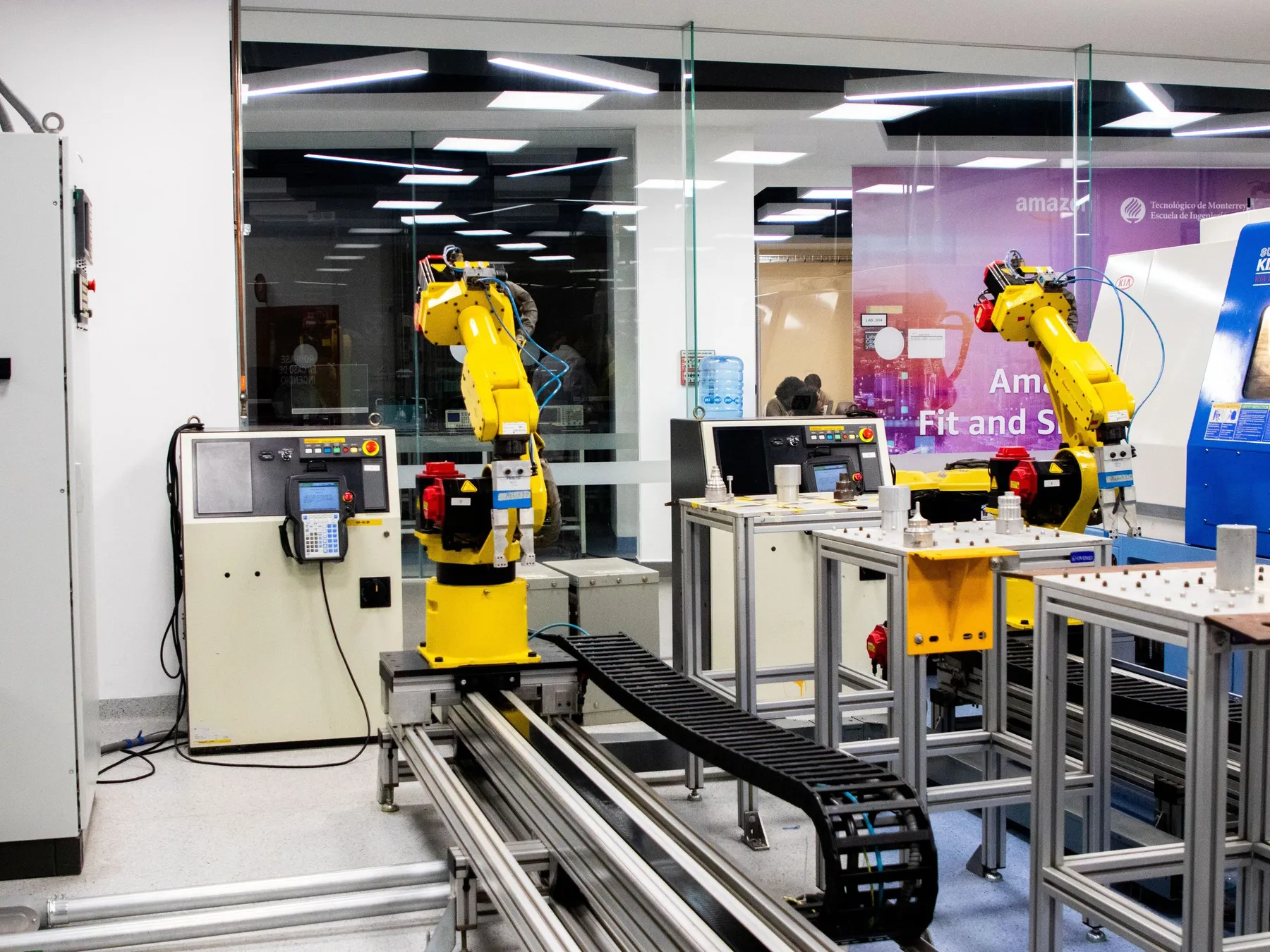
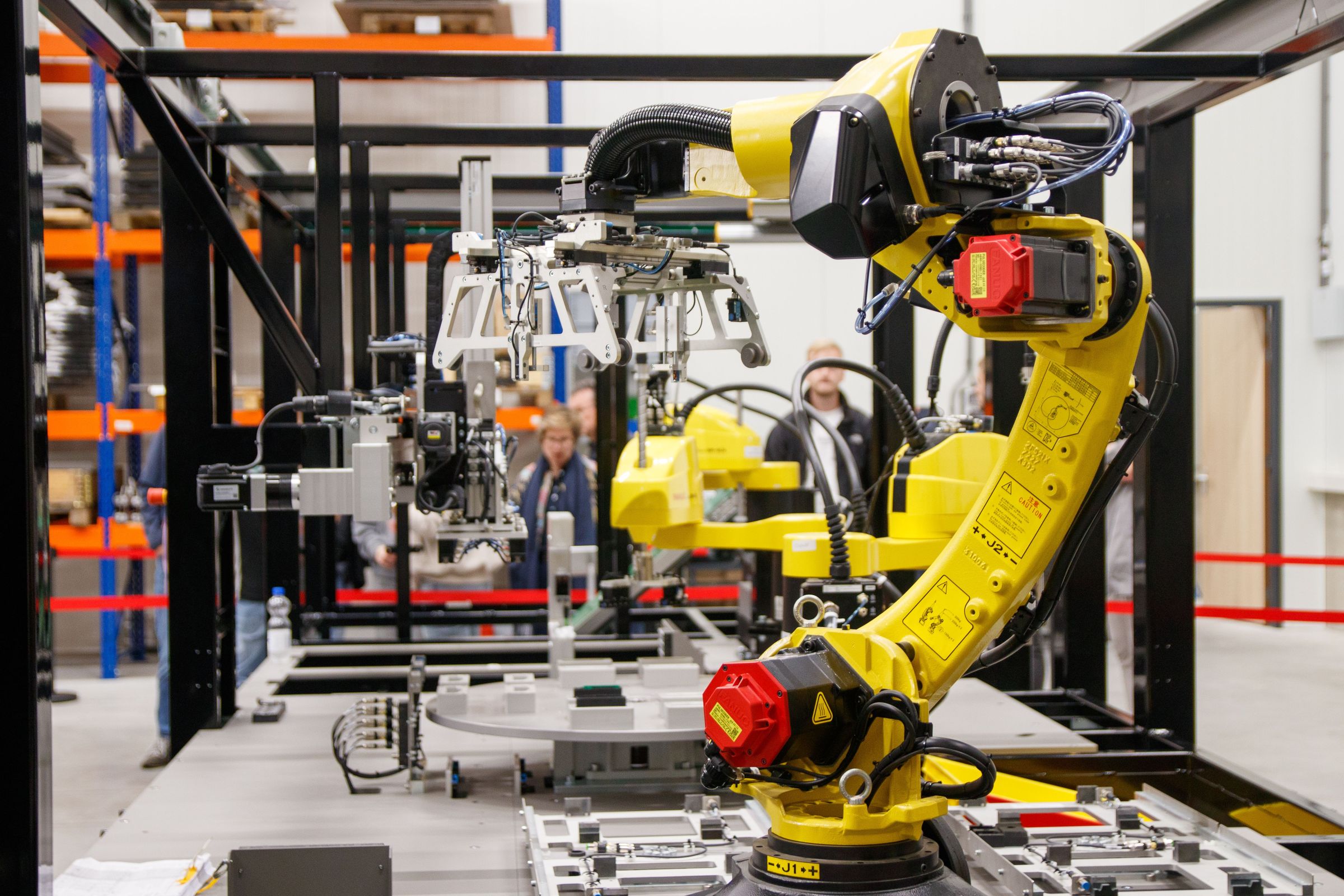
Implementation scope:Loading & Unloading workstations, robot pick-and-place, machining processes, and unified control logic.

Key indicators:Comprehensive rhythm, night shift staffing and subsequent deployment cycle.

Workshop digitalization projects

Applicable to:Machining workshops with many types of small batches, requiring a unified production view.

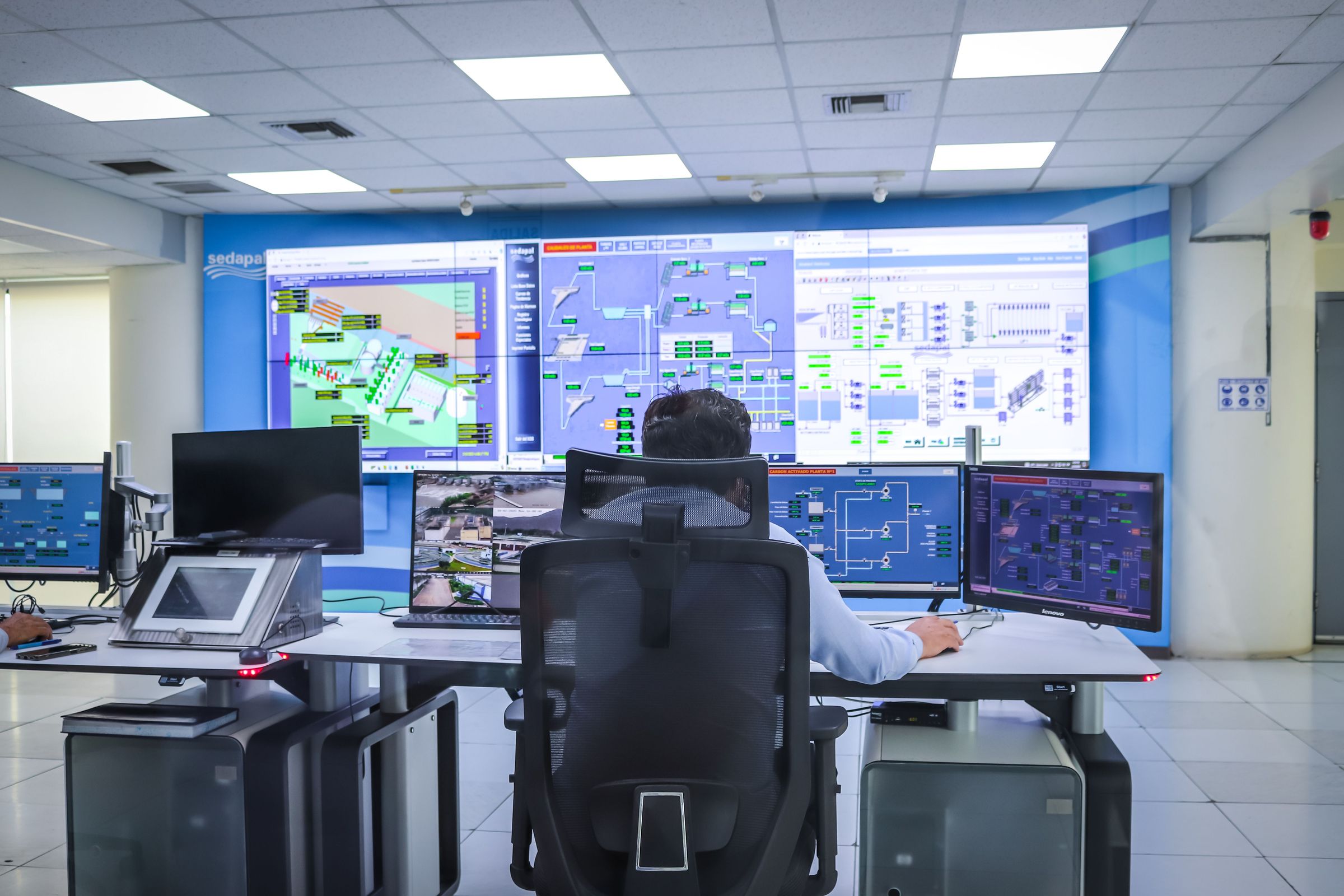
Implementation scope:Work orders, equipment status, quality inspection, exception handling records and production dashboards.

Key indicators:On-time delivery rate, completeness of quality records, and cross-position information consistency.

From pilot to expansion

Step 1:Confirm workpieces, machines, cycle, shifts, and on-site interfaces.

Step 2:Complete joint debugging of equipment, control, vision, data, and safety boundaries.

Step 3:Verify the actual cycle time on site, record parameters and evaluate more work stations.

MORE SCENARIOS

Determine project entry points based on on-site problems

From Loading & Unloading and vision-guided picking to quality inspection and logistics collaboration, first solve the most specific on-site issues, then gradually expand the system boundaries.

Small-batch flexible production scenarios
Flexible manufacturing

Multi-type, small batch

Support product switching through changeover parameters, recipes and workpiece identification.

Visual recognition and robot picking scenarios
Vision applications

Complex incoming material picking

Process disordered incoming materials through visual positioning and grabbing strategies, and record the identification and positioning results.

Automated quality inspection scenarios
Quality records

Automatic post-process inspection

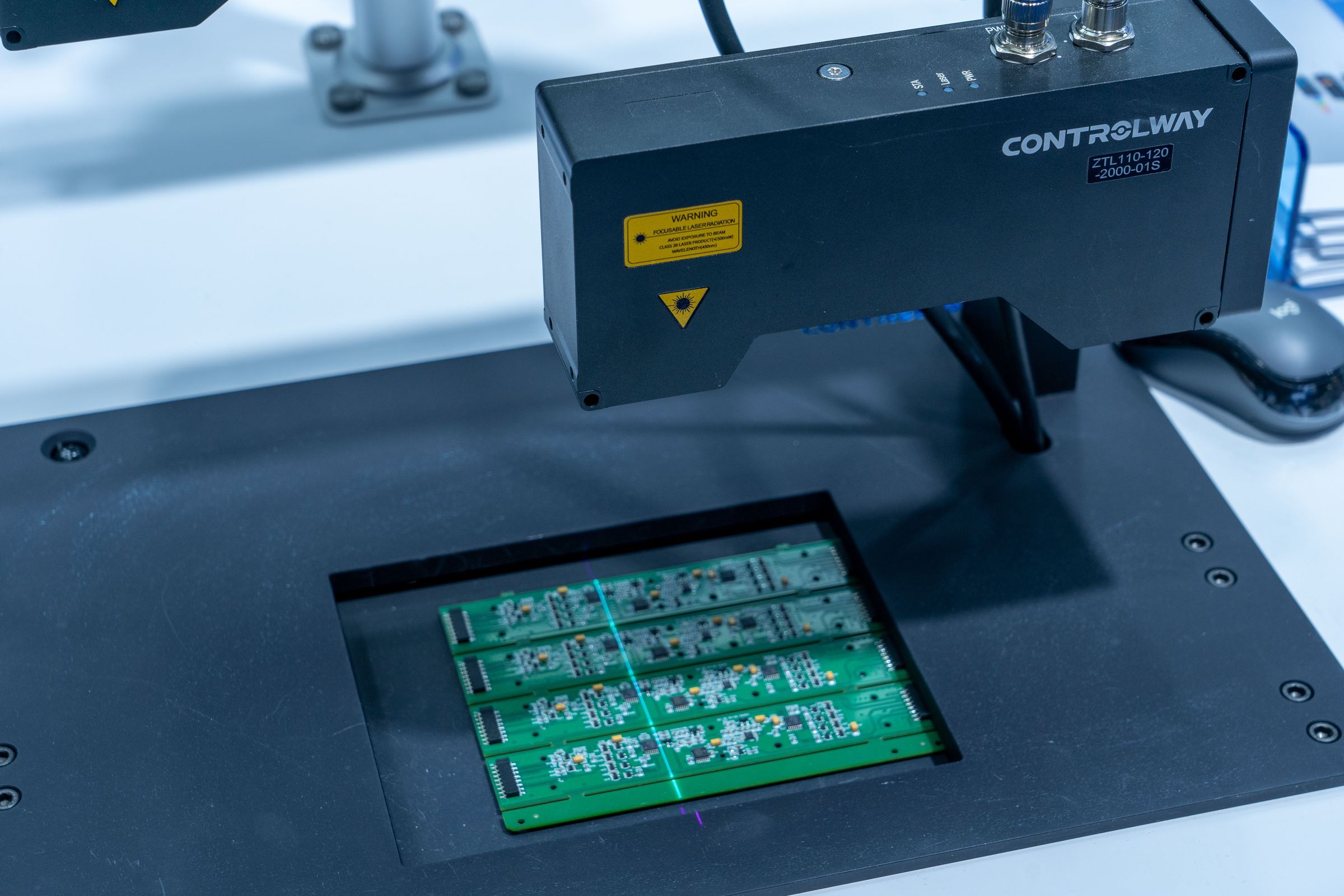
Associate inspection results with work orders and equipment, and support querying exceptions and review results by record.

MES and AGV logistics coordination scenarios
Logistics collaboration

Automatic delivery between processes

Combine MES tasks and on-site logistics to record WIP waiting and material movement status.

DELIVERY METHOD

Project implementation method

The project work includes on-site research, system integration, online delivery and operation optimization. The specific content is subject to the contract scope and acceptance items.

  1. 01

    On-site diagnosis

    Sort out cycle, process, interfaces, and teamwork to identify the most valuable improvement points.

  2. 02

    Solution implementation

    Complete joint design and debugging of equipment, control, vision, data, and safety boundaries.

  3. 03

    Online verification

    Verify the actual beat on site, record standard parameters, and then evaluate more workstations and production lines.

START WITH YOUR SITE

Determine the scope of on-site implementation

You can start from a workstation, a process or a type of data, and first clarify the verifiable goals and acceptance criteria.